Glow Up with Sandalwood: Why This Gentle Wood Matters
Sandalwood has been prized for centuries for its warm scent and soothing feel. People have used it in skincare rituals from India to the Mediterranean. Today dermatologists are noticing real benefits beyond fragrance, gentle anti-inflammatory action, calming aroma, and a skin-friendly profile when formulated well.
This guide looks at the science-backed perks of sandalwood and what to watch for in bar soaps. You’ll learn what dermatologists look for, which ingredients to seek or skip, how top sandalwood bars compare, safe use tips, and simple alternatives if a bar isn’t right for you. Ready to glow up with sandalwood? Let’s dive in. Small tweaks matter. We’ll help you choose smartly and safely.


What Makes Sandalwood Special for Skin
Calming scent — more than pleasant-smelling wood
Sandalwood’s warm, woody aroma does more than smell luxurious. For many people, the scent lowers stress and anxiety, and because stress can trigger acne or eczema flares, a calming scent can indirectly help skin appear less reactive. Think of it like a mini aromatherapy moment in your shower that helps take the edge off a bad-skin day.
Natural compounds that soothe
Sandalwood contains sesquiterpenes and other plant compounds traditionally considered anti-inflammatory and soothing. Lab work and small clinical studies suggest these constituents can reduce redness and irritation in some situations—especially when the oil or powder is used at moderate, well-formulated concentrations.
Essential oil vs. powder vs. synthetic fragrance
What dermatologists actually look for
Dermatologists weigh traditional use, lab data showing anti-inflammatory activity, and clinical trials—often small—while being careful not to overpromise. Real-world practice focuses on formulation: the delivery vehicle (bar vs. cream), concentration, and whether the product contains irritants or allergens.
Practical, quick takeaways
Next, we’ll look at the concrete things dermatologists check for when recommending a soap.
What Dermatologists Look For in a Soap
The quick checklist: what really matters
When a dermatologist recommends a cleansing bar, they mentally tick off a short checklist that predicts real-world gentleness and effectiveness:
These are practical priorities—something that foams beautifully but strips your skin off its barrier won’t make the cut.
Why clinical testing and labels matter
“Hypoallergenic” or “dermatologist-tested” aren’t magic words. Dermatologists look for products with meaningful data—patch-test results, non-comedogenic testing, or published clinical trials. An ingredient list you can read matters more than a pretty label. Endorsements from dermatologists can indicate a product was developed with clinical skin needs in mind, but check whether that endorsement reflects independent testing.
Practical pointers by skin type
Think of these guidelines as a short recipe: pick the right base (syndet vs. soap), check the pH and humectants, and watch out for perfume. Next up: we’ll compare specific dermatologist-recommended sandalwood bars side by side.
Ingredients to Seek and Ingredients to Skip in Sandalwood Bars
Seek: gentle, skin-helpful components
Look for ingredients that actually protect and hydrate, not just smell nice.
These turn a sandalwood bar from a fragrant soap into a product that helps skin look and feel better—think creamy lather that doesn’t leave tightness.
Skip or use cautiously: red flags
Some ingredients are common in soaps but can cause irritation or mask poor formulation.
How to read the ingredient list—quick tricks
Ingredients are listed from highest to lowest concentration. If sandalwood (Santalum album oil/extract) appears in the top five, it’s probably functional; if it’s buried after “fragrance,” it’s likely just scent. A short ingredient list with clear glycerin and ceramides is usually better than a long, perfumed laundry list. When in doubt, patch-test for 48 hours on your inner forearm.
How Dermatologist-Recommended Sandalwood Bars Are Compared
Comparison criteria dermatologists actually use
Think of it like a scorecard: you don’t need lab gear, just a checklist to weigh trade-offs.
Simple at-home tests you can do
Try these quick checks before committing:
Example: Bar A lists Santalum album oil early and contains glycerin; Bar B lists “fragrance” first and sandalwood last — Bar A scores higher for authenticity and likely gentleness.
How to read common claims
Picking the winner for your priorities
Next up: how to use your chosen sandalwood bar safely and get the best glow with step-by-step tips.
How to Use Sandalwood Soap Safely and Get the Best Results
Patch test first (quick and smart)
Always start small. Wet a corner of the bar, rub a little lather on the inside of your forearm (about a coin-sized patch), and leave it uncovered for 24–48 hours. Watch for redness, itching, burning, or delayed rash — if any of those show up, don’t use the bar on your face.
How often to use it, face vs body
Lather, don’t scrub
Follow with the right products
Apply moisturizer while skin is slightly damp to lock in hydration. If you use actives (retinoids, AHAs/BHAs), separate them from sandalwood soap by time of day or alternate days. Example: sandalwood soap in the morning, retinoid at night — this reduces cumulative irritation.
Tips by skin type
Travel and storage
Store bars on a well-draining dish or a ventilated tin; slice a bar into travel-size chunks to keep fragrance and avoid sogginess. Keep away from direct sun or high heat to preserve scent and oils.
Next up: if you want alternatives or a quick DIY sandalwood option, we’ll explore simple swaps and when to call a dermatologist.
Alternatives, Simple DIY Options, and When to See a Dermatologist
Gentle alternatives to bars
If a bar feels drying, try a sandalwood-infused liquid cleanser, a lightweight serum, or a skin oil. Examples to try: CeraVe Hydrating Cleanser or Vanicream (fragrance-free) for cleansing, Biossance or The Ordinary squalane for lightweight oiling, and Kama Ayurveda or Forest Essentials for sandalwood-infused body washes if you want that scent without a soap bar. For extremely reactive skin, stick to fragrance-free, ceramide- and glycerin-rich formulas (La Roche-Posay Toleriane, anyone?) rather than anything perfumed.
Non-sandalwood swaps that offer similar benefits
If you like sandalwood’s calming, balancing vibe but can’t use it, look for products with:
These ingredients give many of the same skin-friendly outcomes without sandalwood fragrance.
Quick, cautious DIY options
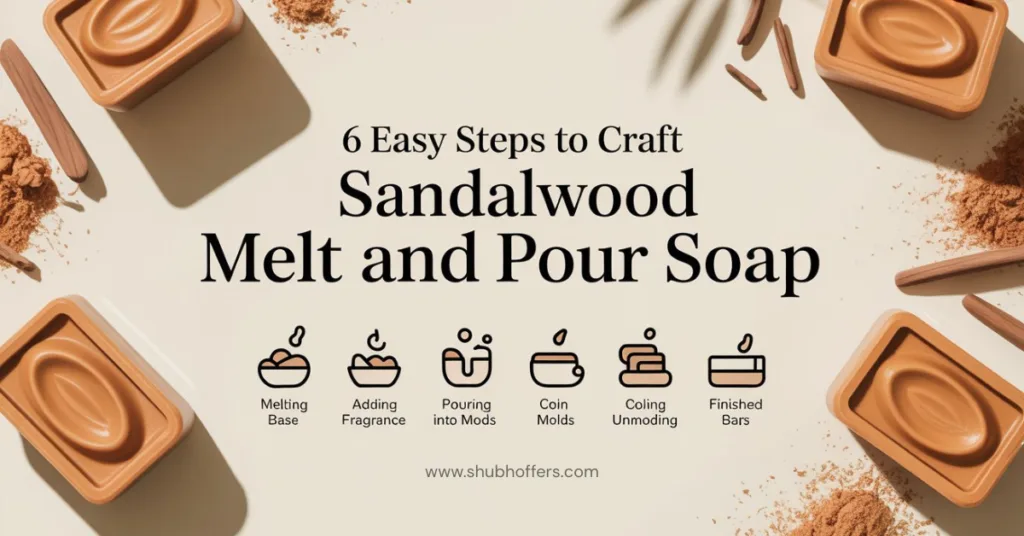
For a very simple at-home sandalwood bar: use a food-grade melt-and-pour glycerin soap base, stir in a small amount of sandalwood essential oil after melting, then pour into molds and let set. Cold-process is possible but needs accurate lye handling—only for experienced makers.

If you’re blending sandalwood essential oil into a carrier:
Always mix oils into a carrier (no undiluted topical use), and label batches with percentages.
When to see a dermatologist
Stop use and consult a pro if you notice:
If any of those happen, pause DIY experiments and get professional guidance — then you’ll be ready to choose the perfect sandalwood option.
Choose Your Sandalwood Glow with Confidence
Dermatologist-recommended sandalwood bars can be a soothing, skin-friendly way to enjoy fragrance plus supportive skincare benefits—when you pick bars that meet dermatologist criteria, read ingredient lists, perform a patch test, and match the bar to your skin type and needs. Start with a short trial to see how your skin responds.
Prioritize skin health over scent alone. If irritation, persistent dryness, acne, or sensitivity appears, stop use and consult your dermatologist for personalized care. Enjoy the ritual, but let skin comfort guide your glow-up. Share results with friends and note what works for you personally.
Long comment incoming because I got excited reading the DIY options section —
Okay so I tried a super simple DIY: a tiny drop of INTIMIFY Pure Sandalwood Essential Oil into a neutral base soap (tiny, tiny drop — essential oils are strong) and it smells heavenly. But learn from my noob mistake: I once added too much and had mild irritation around my jawline. Scent ≠ safety. Patch test, friends. Also, the DIY recipes in the article are easy and not trying to make you a chemist 😅
So glad you found the DIY section useful and thanks for sharing that firsthand experience. Your warning is perfect — essential oils are potent. We recommend 0.1–0.5% dilution for facial use, and always patch-test.
Oof yes, essential oil math is wild. I once did ‘a few drops’ and regretted that decision. 😂
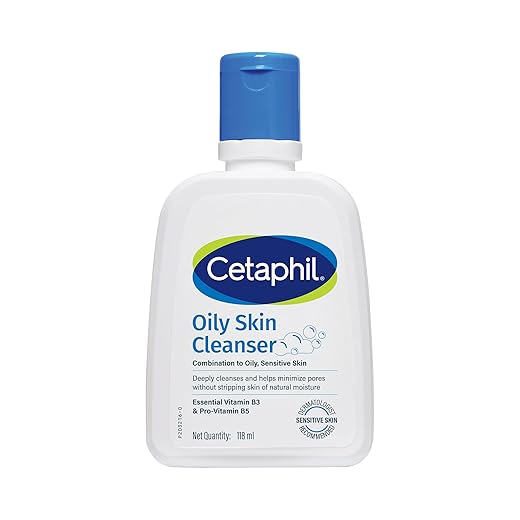
Short and practical: Cetaphil Oily Skin Deep Cleansing Face Wash is low-key lifesaver if you’re using sandalwood bars that are a bit heavy. Use the face wash for daily cleansing and reserve sandalwood bars for body or occasional face use. Works wonders.
Nice strategy. The article highlights that soaps with stronger botanicals or actives might be better for body or spot use while a gentle cleanser like Cetaphil is better for daily facial maintenance.