Why Sandalwood Soap Might Be Your New Acne-Scar Sidekick
Stubborn acne scars can feel impossible to fade, and that’s frustrating. Sandalwood soap is a gentle, natural option people have used for centuries to soothe skin, reduce inflammation, and brighten discoloration. It’s made from sandalwood powder or oil, often blended with a mild soap base and skin-friendly botanicals.
In this guide I’ll share practical, evidence-informed tips on choosing real sandalwood soap, using it in a safe routine, and combining it with other treatments and lifestyle changes to speed fading. Expect simple steps, a couple of DIY ideas, and clear safety notes so you can try sandalwood without guesswork. You’ll get realistic expectations and easy-to-follow advice, plus when to see a pro.
Antimicrobial — can discourage some surface bacteria that aggravate acne.
Possible skin-brightening — traditional use and small studies suggest sandalwood may reduce pigmentation over time.
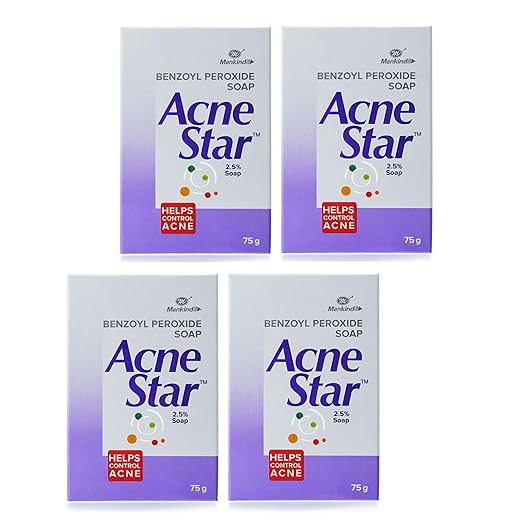
Best for Acne
AcneStar Antiseptic Soap Pack of Four
Antiseptic formula helps fight acne and bacteria
A gentle antiseptic soap designed to help reduce acne and keep skin clean. Its simple formula targets bacteria that can cause breakouts for clearer-looking skin.
These effects make sandalwood soap a sensible daily support: it can reduce visible redness, make skin look calmer, and over weeks help even tone. For real-world context, many users report softer, less angry-looking skin after 2–6 weeks of consistent use — especially when combined with sunscreen.
What it can’t do (and when to level up)
Sandalwood soap is supportive, not corrective surgery. It won’t reliably erase deep pitting, remove thickened scars, or deliver rapid pigment removal like professional lasers, microneedling, or prescription-strength retinoids.
Science vs. tradition
High-quality clinical trials are limited, but sandalwood’s anti-inflammatory and antimicrobial qualities are plausible and supported by lab studies. That’s why centuries of traditional use matter: they point to safe, repeatable benefits worth trying as part of a broader scar-care routine.
Quick, practical tips
Patch-test first.
Use gentle lather, twice daily max.
Follow with moisturizer and daily SPF.
Be patient — expect gradual changes over weeks, not overnight fixes.
2
Choosing the Right Sandalwood Soap: Ingredients, Types, and Labels to Trust
Types of sandalwood soap — quick guide
Pure sandalwood essential oil bars: fragrant, potent; good for normal-to-oily skin if used sparingly.
Sandalwood powder soaps: gentler scent, mild physical texture; often found in herbal or ayurvedic bars.
Blended/commercial formulations: sandalwood plus other actives (glycerin, shea, clay); convenient but ingredient quality varies.Think of it like tea: loose-leaf (powder) vs. essential oil (concentrated extract) vs. a flavored bag (blended commercial).
Read the ingredient list like a pro
Look for “Santalum album” or “sandalwood oil/powder” near the top of the list — higher placement = more content.
Avoid harsh surfactants up front: sodium lauryl sulfate (SLS) or similarly aggressive cleaners can strip and worsen scars.
Prefer moisturizing additions: glycerin, shea butter, jojoba, or ceramides help barrier repair.
Watch for hidden irritants: “fragrance/parfum” can hide dozens of allergens; physical exfoliants like walnut shell or plastic beads can irritate scar tissue.
Spotting misleading labels
“Made with sandalwood” or “sandal scent” ≠ meaningful sandalwood content.
“Natural” and “dermatologist-tested” are marketing claims; short, transparent ingredient lists are more honest.
Packaging that lists botanical names and origin (e.g., Santalum spicatum, Australia) usually signals higher accountability.
Match soap to your skin type
Oily/acne-prone: lightweight, non-comedogenic oils, gentle astringent clays, avoid heavy butters.
Dry: glycerin or shea-rich bars; avoid frequent use of strong surfactants.
Night: cleanse → wait 10–20 minutes if skin is reactive → apply retinoid → moisturizer.
Avoid layering leave-on acids with retinoids the same night to reduce irritation.
Realistic timelines & tracking
Expect subtle lightening or texture improvement in 6–12 weeks; clearer change by 3–6 months.
Track progress with weekly photos, notes on texture/color, and one consistent product bar to compare results.
4
DIY Sandalwood Soap and Masks: Recipes and Safety Notes
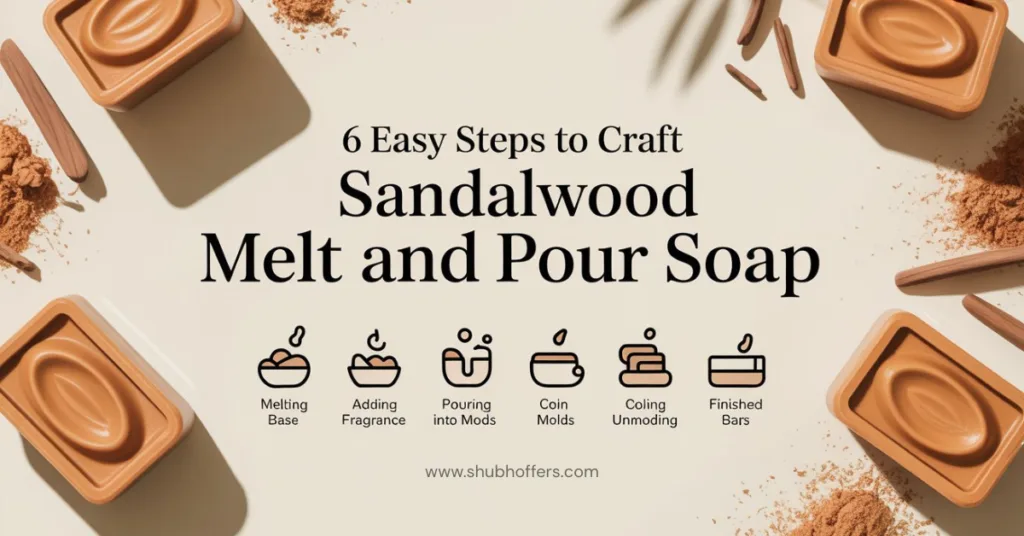
Gentle sandalwood soap mashup (daily cleanser)
Ingredients
1/2 mild soap bar (grated; about 20–30 g) — glycerin, goat‑milk or fragrance‑free.
1 teaspoon sandalwood powder (≈3 g).
1 teaspoon sweet almond or jojoba oil (≈5 mL).
2–3 teaspoons lukewarm water to form a light lather.
Steps
Mix grated soap + sandalwood powder in a small bowl.
Add oil, then water a little at a time, stirring until creamy.
Lather between palms and wash as usual; rinse well and pat dry.
Storage tip: Make only enough for a week. Press the leftover mash into a clean jar and refrigerate up to 7 days; discard if it smells off.
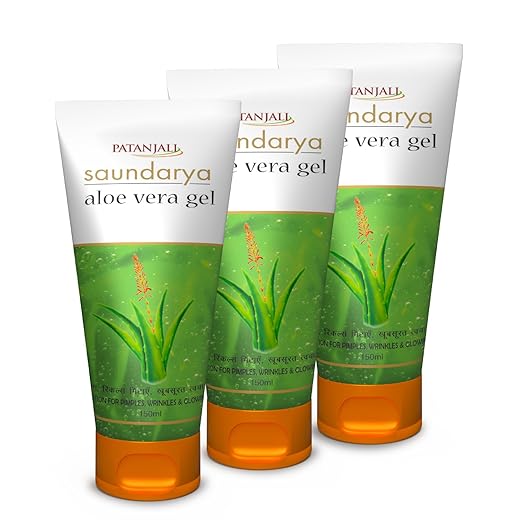
Hydration Hero
Patanjali Aloe Vera Gel Pack of Three
Soothes, hydrates and calms skin naturally
A lightweight aloe vera gel that deeply hydrates and soothes irritated or sun-exposed skin, leaving it soft and refreshed. The three-pack offers great value for daily moisturizing and calming care.
Weekly brightening leave-on mask (aloe or honey base)
Variant A — Aloe (best for normal/oily skin)Ingredients
1 teaspoon sandalwood powder.
1 tablespoon pure aloe vera gel (use the Patanjali gel or similar).
Steps
Mix into a smooth paste.
Apply thinly to clean skin; leave 10–15 minutes.
Rinse with lukewarm water. Use once weekly.
Variant B — Honey (for dry or irritated skin)Ingredients
1 teaspoon sandalwood powder.
1 tablespoon raw honey.
Steps
Combine, apply for 10 minutes, then rinse. Honey adds humectant benefits.
Storage tip: Make masks fresh. If needed, keep aloe mixes in the fridge and use within 48–72 hours.
Safety notes & hygiene
Patch test every mix: apply a pea‑size amount behind your ear; wait 24 hours.
Don’t add sandalwood essential oil at high strength — max ~1% (about 1–3 drops per tablespoon).
Never apply to open wounds, active cystic acne, or immediately after strong acids/retinoids.
Keep utensils, jars and hands clean. Water‑based mixes need a preservative for long storage; otherwise, make fresh each time.
Stop use if you get burning, increased redness, swelling, or persistent irritation.
5
Side Effects, Allergies, and When to Stop or See a Pro
Common irritation risks and how to spot them
Sandalwood soap is gentle for many, but skin reactions do happen. Watch for:
Dryness, tightness, flaky skin.
Localized redness, stinging, burning.
Itchy patches or small raised bumps (contact dermatitis).
Blisters, spreading redness, or swelling (more severe allergy).
If you notice increasing irritation after use, treat it like any other topical reaction — don’t ignore it.
How to do a proper patch test
Apply a pea‑size amount of the soap or mask mix behind your ear or on the inner forearm.
Wait 24–48 hours (check at 1 hour, 6 hours, then later).
No reaction = reasonably safe to use; any itch, swelling, or blister = avoid product.
What to do if irritation occurs
Stop using the soap immediately.
Rinse area with cool water and switch to a bland moisturizer (petroleum jelly or ceramide cream).
For mild itch/redness, an OTC 1% hydrocortisone cream (e.g., Cortizone‑10) or oral antihistamine (cetirizine/Zyrtec or loratadine/Claritin) can help.
For spreading rash, oozing, fever, or facial swelling/ breathing difficulty — seek medical/emergency care right away (possible severe allergic reaction).
When sandalwood soap isn’t enough — see a dermatologist
Sandalwood helps surface tone and mild discoloration, but professional care is better for:
Deep pitted (atrophic) scars, rolling or boxcar scars.
Keloids or stubborn hypertrophic scars.
Scars that haven’t improved after consistent home care (generally 3 months) or that significantly affect appearance or confidence.
Common pro options: microneedling (sometimes with PRP), fractional lasers (e.g., Fraxel, fractional CO2), professional TCA peels, subcision, and dermal fillers (Juvederm/Restylane) or punch excision for certain pits. A dermatologist will tailor timing and combine gentle home care with in‑office treatments for best outcomes.
Next up: practical lifestyle and complementary treatments that boost results.
6
Maximize Results: Lifestyle Tips and Complementary Treatments
Daily habits that actually move the needle
Tiny, consistent habits beat occasional miracles. Protecting fresh skin and preventing new damage speeds scar fading:
Use a broad‑spectrum sunscreen every morning (SPF 30+); reapply if you’re outdoors. Think of sunscreen as preservation — it stops dark spots from getting darker.
Don’t pick or pop. A quick squeeze can add months to healing and deepen scars.
Sleep 7–9 hours and manage stress — wound healing slows when you’re exhausted or cortisol is high.
Hydrate and eat reasonably: water, omega‑3s (salmon, chia), vitamin‑rich fruit and veg, and lower high‑glycemic junk foods that can aggravate acne.
Real world: people who add sunscreen and stop picking usually see color improvement in ~8–12 weeks versus slower fading without those habits.
Topicals that play nice with sandalwood soap
Sandalwood cleanses and soothes — pair it with gentle, evidence‑based actives:
Niacinamide: reduces redness and evens tone; great AM/PM.
Mild vitamin C (10–15% L‑ascorbic): brightens hyperpigmentation — use in the morning under sunscreen.
Hyaluronic acid: hydrates and plumps superficial texture.
Low‑strength AHAs (5–10% glycolic) or BHA (2% salicylic) used 1–2× weekly to help surface renewal — don’t overdo.
Best for Oily Skin
Minimalist 10% Niacinamide Oil Control Serum
High-strength niacinamide for blemishes and pore control
A 10% niacinamide serum that reduces acne marks, controls excess oil, and minimizes visible pores for a clearer, mattified complexion. Fragrance-free and non-comedogenic, it’s designed for oily and acne-prone skin.
Safe layering rule: apply thinnest (water) to thickest (cream). Morning: vitamin C → niacinamide → sunscreen. Night: sandalwood wash → hyaluronic acid → targeted treatments (AHAs/BHAs or retinoid on alternate nights). Avoid stacking strong acids and retinoids same night to reduce irritation.
Realistic timelines and patience
Expect slow, steady wins: color fades within 2–3 months for many; texture often needs 3–6 months or more. Track progress with photos every 4 weeks — small daily habits compound and, before you know it, those little changes add up.
Next up: practical next steps to start using sandalwood soap.
Wrap-Up: Practical Next Steps to Start Using Sandalwood Soap
Sandalwood soap can be a gentle, helpful tool to reduce the appearance of acne scars when you pick the right product and use it sensibly. Patch test first, introduce it into a simple daily routine, and be patient — fading scars takes weeks to months. Always use sunscreen daily, avoid harsh scrubs, and stop use if irritation occurs. For deep, pitted, or stubborn scars, consult a dermatologist about professional options that pair well with topical care.
Try a mindful routine, note changes with photos every few weeks, and celebrate small improvements. Start gently, stay consistent, and give your skin time — you might be surprised by the steady progress. Ready to get started?