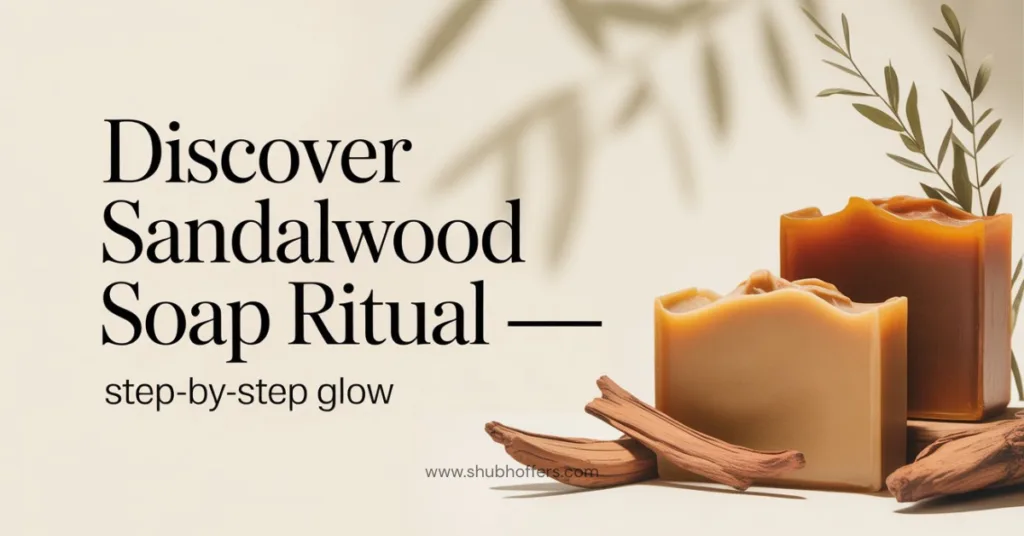
Curious about a simple, calming way to brighten your skin? Sandalwood soap is a fragrant, gentle bar made from sandalwood oil or powder that soothes, tones, and adds subtle glow.
This guide shows why sandalwood works, how to choose the right bar for your skin, safety checks like patch testing, a clear step-by-step cleansing routine, follow-up hydration and protection, plus troubleshooting and variations. By the end you’ll feel confident using sandalwood soap to reveal a natural, healthy-looking glow. Calming, simple, and effective.
Sandalwood brings a few simple, skin-loving actions that make it a favorite in ritual cleansing:
Gentle antiseptic: helps reduce surface bacteria that can aggravate breakouts.
Anti-inflammatory and cooling: calms redness, sun-prickled cheeks, or post-shave flare-ups.
Soothing scent: the warm, woody aroma itself reduces stress and can make your cleansing routine feel meditative.
A quick anecdote: someone I know swapped a harsh foaming cleanser for a sandalwood bar and noticed less post-cleanse redness within a week — not a miracle, but real relief from daily irritation.
Helps with common skin concerns
Sandalwood soap is commonly used for:
Oily and acne-prone skin: controls excess shine and helps keep pores calmer.
Sensitive or inflamed skin: soothes irritation without stripping natural oils.
Mild brightening and evening tone: regular use can reduce blotchiness and give a softer, more even look over time.
Ethical Choice
Ghar Sandalwood and Saffron Handmade Bath Soap
Paraben-free, handcrafted brightening soap
Handmade soap that blends sandalwood and saffron with premium, cruelty-free ingredients to gently brighten and nourish skin. Paraben- and sulphate-free, it’s designed to give a glowing, pampered feel with each wash.
Sandalwood supports skin health and appearance, but it’s not a cure-all. Expect:
Immediate soothing and a cleaner-feeling skin surface.
Gradual improvements in tone and breakouts over several weeks with consistent use.
Less benefit for deep scarring or severe acne — those often need targeted treatments (dermatologist guidance).
Pure sandalwood vs. blends — what to expect
Pure sandalwood oil/powder gives a stronger woody scent and a straightforward calming effect. Blends (sandalwood + neem, tea tree, turmeric, or saffron) may add targeted benefits (antibacterial punch, extra brightening) but also change scent and sometimes feel a bit more drying.
Quick, practical tips
Use once daily or every other day if your skin leans dry.
Lather, leave for 30–60 seconds for a soothing effect, then rinse.
Follow with a light moisturizer to lock in the glow.
Next up: how to choose the right sandalwood soap for your skin type and preferences.
2
Choosing the Right Sandalwood Soap for Your Skin
Natural handmade vs. commercial bars
Handmade, small-batch bars usually use simple, recognizable oils and real sandalwood (powder or oil). Commercial bars can be convenient and long-lasting but sometimes contain detergents and fillers. Think of it like fresh-baked bread vs. packaged toast — both clean you, but the ingredient lists tell different stories.
Natural Favorite
Khadi Natural Sandalwood Handmade Soap Pack
Controls oil and improves skin tone
A natural, handcrafted sandalwood soap that helps control excess oil, reduce tanning, and support a clearer, more even skin tone. Gentle enough for all skin types and free from harsh synthetic preservatives.
Glycerin — humectant, great if your skin needs gentle hydration.
Olive oil — nourishing and mild; good for dry or sensitive skin.
Coconut oil — makes a hard, lathery bar; effective at cleansing but can be drying in high percentages.
Shea butter — rich and moisturizing; ideal for dry cheeks or winter use.
Ingredients and additives to avoid
Harsh sulfates (SLS, SLES) — strip oil, can cause tightness and irritation.
“Fragrance” or “parfum” without botanical IDs — often synthetic and sensitizing.
Drying alcohols (denat. alcohol) — can leave skin parched.
Unnamed “colorants” or long filler lists — minimal is best.
Match the bar to your skin type
Dry skin: look for olive oil, glycerin, shea butter; real sandalwood oil or powder.
Oily/acne-prone: a balanced bar with coconut or castor oil plus sandalwood blends with tea tree or neem can help control shine.
Combination: gentle glycerin-based bars or bars that list balanced oils; use only on oily zones if needed.
Sensitive: single-origin sandalwood powder or low-concentration sandalwood oil in a mild base (goat milk, oat); avoid anything labeled only as “fragrance.”
Sourcing, price, and storage
Buy from reputable artisan makers, check for “sandalwood oil” or “sandalwood powder” (or botanical Santalum names), and prefer certified essential oils and cruelty-free claims. Higher price often reflects purer ingredients and small-batch care, though good mid-range options exist. Store bars on a draining soap dish, away from direct sun; wrap spare bars in breathable paper so they age well.
Next up: safety—how to patch test and other precautions before committing to daily use.
3
Safety First: Patch Test and Precautions
Why a patch test matters
Sandalwood soaps often contain essential oils, botanical powders, or additives that can irritate or sensitize skin. A quick patch test is a tiny time investment that prevents days of redness or a surprise breakout—think of it as a test drive before you commit to daily use.
How to do a patch test — step by step
Wet a small area on the inner forearm (clean skin).
Lather a pea-sized amount of the sandalwood soap and apply the foam to a 2–3 cm patch.
Rinse after 30 seconds and pat dry (don’t wash the patch again).
Wait 24–48 hours; check the area at intervals (1h, 6h, 24h, 48h).
If you notice mild itching or redness: wash the area with cool water, apply a gentle fragrance-free moisturizer, and avoid further use.
For moderate reactions (spreading rash, swelling): consider a short course of 1% hydrocortisone cream and an oral antihistamine; stop the product and see a doctor.
For severe signs (trouble breathing, facial swelling): seek emergency medical care immediately.
Special precautions
Don’t use sandalwood soap on actively broken, bleeding, or infected skin.
Be cautious combining with potent actives (retinoids, 5–10% AHAs/BHAs, vitamin C). These can increase irritation—alternate days or separate by morning/evening.
Sandalwood itself isn’t typically phototoxic, but combining strong essential oils and photosensitizing treatments can increase sensitivity to sun.
When to consult a dermatologist
Reactions that persist beyond 48–72 hours, recur, or cover large skin areas.
If you have a history of eczema, rosacea, or severe allergies—ask for a professional patch test or tailored advice.
Next, we’ll move into the step-by-step face cleansing ritual so you can try the soap safely and confidently.
4
Step-by-Step Face Cleansing Ritual with Sandalwood Soap
Prep: set the scene
Wash your hands, tie hair back, and remove heavy makeup or waterproof sunscreen with a dedicated remover or micellar water. Clean hands and an uncluttered sink set the tone—think of this as a mini-spa pause in your day.
Lathering methods (pick one)
Two easy ways to build a soft, effective lather:
Foam in your hands: wet the soap and rub between palms until a creamy foam forms. This is quick and gentle—great for normal and dry skin.
Foam on a soft cloth: wet a plush muslin or microfiber cloth, rub the soap on it and work into a light, airy foam. The cloth provides gentle mechanical lift for oilier or textured skin.
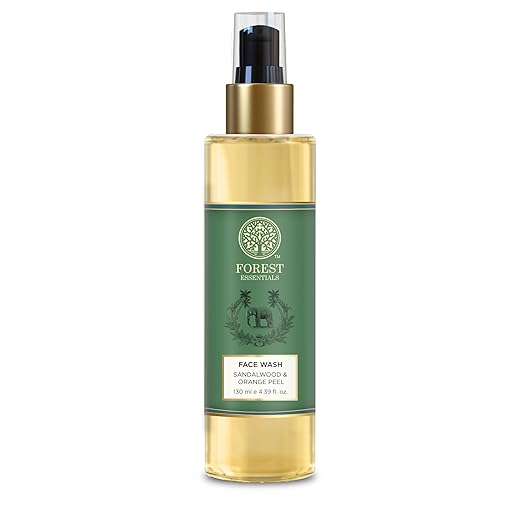
An Ayurvedic face wash combining sandalwood and orange peel to gently purify and refresh skin while preserving natural moisture. Sulfate- and paraben-free, it leaves skin clean, bright, and pleasantly scented.
Use gentle, upward motions and light pressure—imagine you’re moving lotion on, not scrubbing a stain.
Duration: 30–60 seconds for a regular cleanse; 60–90 seconds if skin is oilier and you want deeper pore help.
Pressure: feather-light to light—no tugging.
Focus areas: T-zone (forehead, nose, chin) where oil and blackheads gather; sweep from center outward on cheeks and neck.
Avoid: the fragile eye area—use a separate eye makeup remover if needed.
Rinse and dry
Rinse with lukewarm water using gentle splashes—avoid hot water that strips natural oils. Pat dry with a soft towel (no rubbing). For extra freshness, finish with a cool splash to close pores.
Ritual variations
Double cleansing: if you wear makeup or heavy sunscreen, start with an oil-based remover or cleansing balm, then follow with sandalwood soap for a deeper clean.
Dry/sensitive skin: shorten the massage to 20–30 seconds and use the hand-lather method; consider using the soap every other day if irritation appears.
Oily/acne-prone skin: extend to 60–90 seconds, use the cloth method for gentle mechanical exfoliation 2–3 times weekly.
Practical pointers & small luxuries
Water temp: lukewarm is your baseline; too hot = dryness, too cold = uncomfortable.
Frequency: daily cleansing (morning + bedtime) is fine for most; if the soap feels drying, switch to bedtime-only or alternate days.
Extras: pat dry with a soft towel; take two slow inhales of the sandalwood aroma between rinsing and patting—try a 4-2-6 breathing pattern (inhale 4s, hold 2s, exhale 6s) to make scent part of the calming ritual.
Next up: how to lock in that glow—hydration, protection, and targeted extras to finish your routine.
5
Post-Cleansing Care: Hydrate, Protect, and Enhance the Glow
Toner & targeted serums: what to use and when
If you like toners, pick a hydrating one (glycerin, rose water, or mild HA toners) — skip astringent alcohol-heavy types. Apply serums while skin is still slightly damp for best absorption.
Hyaluronic acid: apply first on damp skin to lock moisture (The Ordinary Hyaluronic Acid is a simple, affordable example).
Niacinamide: use after HA to help even tone and reduce redness; great for most skin types.
Moisturizers — daytime vs. nighttime
Day: lightweight, fast-absorbing lotion or gel with humectants and a bit of emollient. Look for ceramides, squalane, or light glycerin creams.
Night: richer cream or sleeping mask with barrier-repair ingredients (ceramides, panthenol, shea butter) to restore skin while you sleep.
Sunscreen — non-negotiable
Sandalwood leaves skin feeling calm, but sun protection locks the glow in. Use a broad-spectrum SPF 30+ every morning and reapply if outdoors.
Clinically Tested
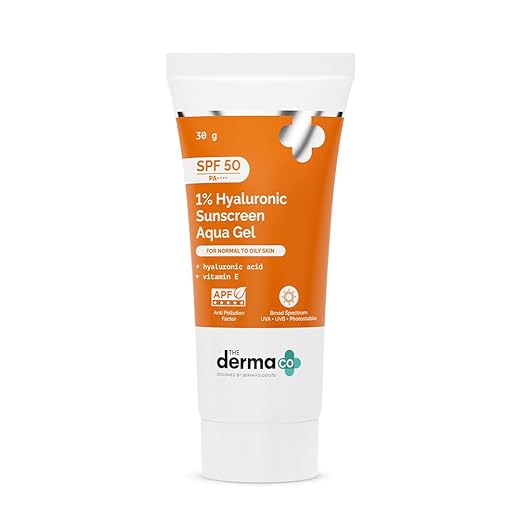
The Derma Co 1% Hyaluronic Sunscreen Gel
SPF50 PA++++ hydrating, non-greasy protection
A lightweight, aqua-gel sunscreen with 1% hyaluronic acid that delivers broad-spectrum SPF50 and PA++++ protection plus blue-light screening. It absorbs quickly without a white cast and is water- and sweat-resistant for everyday use.
Pairs well with calming, anti-redness actives: aloe vera, centella (Cica), oat extract, and niacinamide. For barrier repair, ceramides and panthenol are winners.
Avoid strong exfoliants or retinoids immediately after if you notice stinging or flaking. If irritation occurs, pause actives for a few days and lean into soothing, fragrance-free moisturizers.
Targeted serum (HA/niacinamide) → richer moisturizer or night cream → optional overnight oil or sleeping mask.
Layering order & tweaks
Apply thinnest-to-thickest: water-based serums → oil-based serums → moisturizer → sunscreen (AM). For oily skin: skip heavy oils, choose gel moisturizers and water-based serums. For dry skin: add a facial oil or richer cream at night; use occlusive (petrolatum or squalane) if moisture loss persists.
Keep it simple, listen to your skin, and tweak products to sustain that sandalwood glow.
6
Tips, Ritual Variations, and Troubleshooting
Mix-ins & personalization
Small additions can change the ritual without drama. Try:
A pea-sized dab of raw honey mixed into your lather for humectant-rich hydration.
A teaspoon of plain yogurt for gentle lactic-acid exfoliation once a week.
A drop or two of jojoba, squalane, or rosehip oil after cleansing if your skin is dry.
These are easy experiments—start tiny and watch how your skin responds. I once added honey on a chilly morning and noticed my cheeks felt softer all day.
Tools & mini rituals
Use gentle tools to boost circulation or make cleansing feel spa-like:
A soft silicone brush for light stimulation and deeper lift during lathering.
Occasionally steam your face for 3–5 minutes before cleansing to open pores (once a week max).
Must-Have
Silicone Face Scrubber Soft Exfoliating Cleansing Brush
Deep-cleaning bristles for gentle daily exfoliation
A soft, food-grade silicone face scrubber that deep-cleans pores, exfoliates, and massages to improve circulation and product absorption. Suitable for all skin types and easy to grip for daily facial care.
Keep bars on a draining soap dish so they dry between uses; avoid sitting in puddles.
Store away from direct heat or sunlight to prevent oil separation.
Travel: pre-cut a small chunk into a travel tin or use a mesh soap saver — no airport-liquid drama.
Shelf-life signs: rancid or off smells, discoloration, sticky or slimy texture, or visible mold — toss it.
Troubleshooting common issues
Tight or flaky skin: cut back to every-other-day use, switch to a creamier mix-in, and apply a richer moisturizer or an occlusive (squalane or petrolatum) at night.
New breakouts: stop use and patch-test other ingredients. Look for comedogenic oils (coconut oil can clog some pores).
Scent too strong: rinse faster, reduce contact time, or choose an unscented/milder sandalwood bar.
Soap dissolves quickly: use less water in lathering and dry the bar fully between uses.
Seasonal tweaks
Winter: shorten cleansing time, add a facial oil or richer night cream.
Summer: consider a gel moisturizer, and double-cleanse only if wearing sunscreen or makeup.
Next up: move to the final section to Start Your Sandalwood Soap Ritual.
Start Your Sandalwood Soap Ritual
Pick the right sandalwood soap, patch test, and follow the gentle cleansing ritual described. Finish with hydrating and protective care to lock in glow and soothe skin. Try this routine consistently for a few weeks, note changes, and tweak products or timing as needed.
Enjoy the calming scent as part of self-care. Share your progress, savor the ritual, and celebrate small improvements—your skin and senses will thank you. Start today and notice the difference soon.